Expert Support
Call 020 8500 1188

A toughened glass splashback is a great addition to any kitchen, not just for its sleek aesthetic appeal, but also for its practicality and durability.
While spills, splashes, and smudges are inevitable in any kitchen, one of the main benefits of glass splashbacks is how easy they are to clean and maintain.
To help you get the most out of your kitchen splashback for years to come, the team at EGW has produced this guide to maintaining glass splashbacks.
From glass splashback cleaning hacks to signs that your glass splashback needs replacing, you can learn all about glass splashback maintenance below.
Cleaning glass splashbacks is an easy process, and you only need a few things:
You can simply add mild dish soap or vinegar to the warm water to make your own cleaning solution, or use a specially formulated glass cleaner.
Follow these easy steps to stay on top of daily and weekly cleaning:
1) Start by applying the cleaning solution to the surface of the splashback.
2) Wipe the glass with a soft cloth or sponge in gentle, circular motions.
3) Rinse with warm water and dry with a clean cloth to prevent water spots.
4) Polish the surface softly with a clean, dry cloth for a streak-free finish.
The most helpful advice is to get into the habit of cleaning spills straight away, so they don’t have time to harden or form unsightly build-up on the glass.
If you haven’t been wiping away food splatters every day, here’s how to remove hardened grease and stubborn stains from a glass kitchen splashback:
For light stains – Using a solution of warm water and a small amount of vinegar (instead of just dish soap) can be effective at dissolving a thin layer of grease.
For stubborn grime – Create a paste out of baking soda and water, which you should apply to the stain and leave for a few minutes before wiping it away.
Tougher stains that have been there longer will be harder to remove, so you may need to use a non-abrasive scrubbing pad and keep rinsing with warm water.
If you want to avoid build-up from the start, you should order and install a glass kitchen splashback with an additional polymer coating, which can repel water, rust, soap scum, and dirt to make it easier to wipe clean.
Glass splashbacks are scratch-resistant, but not completely scratchproof. When cleaning a glass kitchen backsplash, you should avoid using abrasive materials that can scratch the surface and permanently damage the glass.
This means that to prevent scratches, you should not use:
Instead, stick to mild cleaning solutions and microfibre cloths or soft sponges to prevent surface damage and ensure the longevity of your glass splashback.
If your splashback has a special finish, such as mirror glass or other effects, be sure to follow any specific cleaning guidelines to preserve this finish.
Regular cleaning and maintenance of your glass splashback is essential for a clean and healthy kitchen environment that you can cook in safely.
Not cleaning your glass splashback regularly will lead to a build-up of dirt, grime, and bacteria, which can be harmful to your health if it isn’t removed.
If the edges aren’t sealed, remember to clean behind the splashback, too, as this can be a prime area for mould growth if left for too long.
It’s also important to look out for any scratches or chips that can harbour grime, as well as spoiling the appearance of the splashback.
With busy modern lifestyles, it can be easy for cleaning schedules to fall by the wayside – and even with attentive maintenance, accidents can still happen.
If there’s an issue, it’s important to know how to fix a glass splashback. Here are some common concerns you might come across and what you should do about them to ensure your kitchen wall stays protected.
Generally, for splashbacks made from toughened or laminated glass, sealing a kitchen splashback isn't always necessary, but it can provide more protection against stains, moisture, condensation, and mould.
If you're unsure whether to seal your glass splashback or not when you install it, you should consult a professional installer or manufacturer for guidance.
If you have decided to seal your glass splashback, you will need to:
1) Apply beads of silicone sealant on the back, around the inside of the edges.
2) Press the edges with a light but firm pressure to adhere them to the wall.
3) Check the seal to make sure there are no gaps for moisture to get in.
This is a great way to prevent condensation behind a glass splashback, which can leave stains on the wall or affect the appearance of the glass backing over time.
In kitchen areas where there is likely to be a lot of steam from cooking, you should also ensure there is a working extractor fan for proper ventilation.
If your glass splashback is scratched, there are a few options to repair it. For minor scratches, a glass polishing kit can be effective in buffing out the scratch.
Alternatively, it may be possible to use epoxy to fill in small cracks, though the crack will still be visible. This should only be a temporary measure, as deep scratches and cracks can eventually affect the structural integrity.
For deeper scratches or severely cracked glass splashbacks, it may be necessary to replace the affected glass completely by ordering a new splashback.
If a repair is needed, it's important to consult a professional to make sure that the repair is possible and, if so, that it is carried out safely and effectively.
If you need replacement glass for a kitchen splashback that is too damaged to repair, you can always order a custom splashback from EGW that looks just like your old splashback – or take the opportunity to try a new design!
In some cases, it may be necessary to remove your glass splashback for cleaning or repair. The best way to do this depends on how it was installed.
Start by turning off the power to any nearby electrical outlets. Then, carefully remove any screws or adhesive holding the splashback in place.
A) If the splashback is fastened in place with screws, use a drill or screwdriver to undo the screws one by one and set them to one side. It would be best to have a second person holding onto the splashback so it doesn’t fall, then they can lift it off the wall when you have unscrewed the final screw.
B) If you used adhesive to glue the splashback directly to the wall, this can be more difficult to remove. It can help to apply heat or solvents to soften the sealant and adhesive first, then use a putty knife or scraper to loosen the adhesive, taking care not to damage the wall or the splashback itself.
Once the splashback has been successfully removed, clean it thoroughly and make any necessary repairs before reinstalling it on the wall.
While glass kitchen splashbacks are durable and long-lasting pieces, the time will eventually come when it's best to replace them after years of use.
Signs that it's time to replace your glass splashback include:
Installing a new glass splashback will give your kitchen a fresh, modern look while still providing the practical benefits of easy cleaning and maintenance.
If you have any questions or concerns about maintaining your glass splashback, or if you're interested in ordering a new custom splashback, don't hesitate to get in touch. Our team of experts is here to assist you every step of the way.
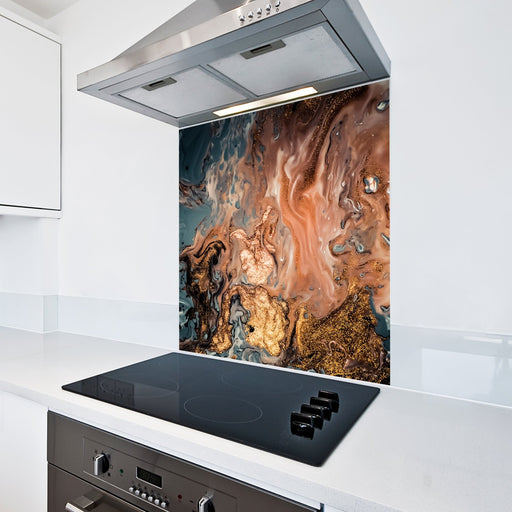
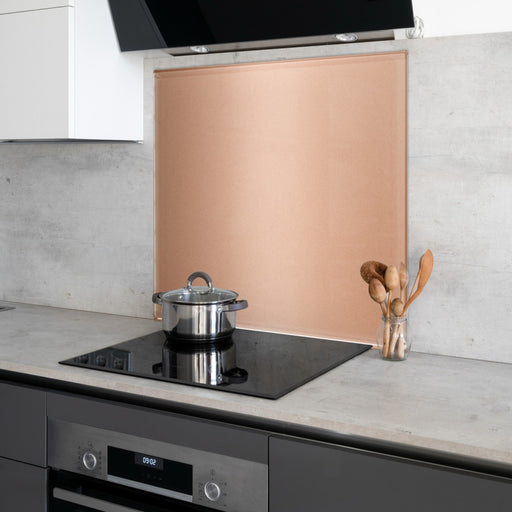
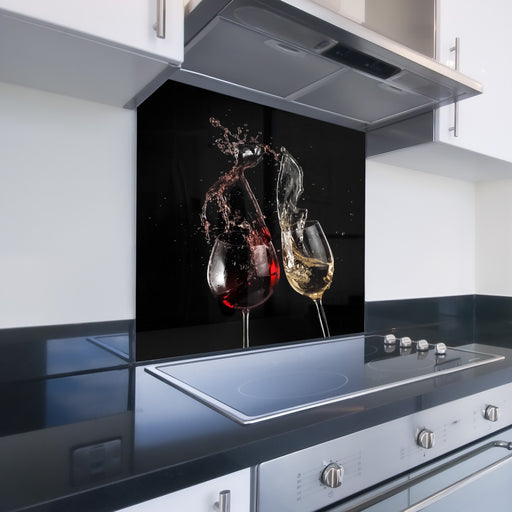
At EGW, we offer a wide selection of kitchen backsplash designs, including:
And more! You’re sure to find a splashback to suit your kitchen on our website.
Shop our online range or contact us today to see how we can help you make the most of your kitchen with a beautiful, functional glass splashback.
6mm Toughened Printed Kitchen Glass Splashback. If you would like to upload your own image or request a bespoke size call our dedicated team on...
View full detailsProduct Information6mm Printed Toughened Marble Copper Glass Splashback If you would like to upload your own image or request a bespoke size call o...
View full details6mm Toughened Painted Kitchen Glass Splashback. If you would like a different colour or a bespoke size call our dedicated team on 020 8500 1188 for...
View full details6mm Toughened Printed Kitchen Glass Splashback. If you would like to upload your own image or request a bespoke size call our dedicated team on 020...
View full details